





by Marianna Reggiani
Organise, Educate and Agitate
Cantadora Gallery
Rome, Italy — on view until December 4
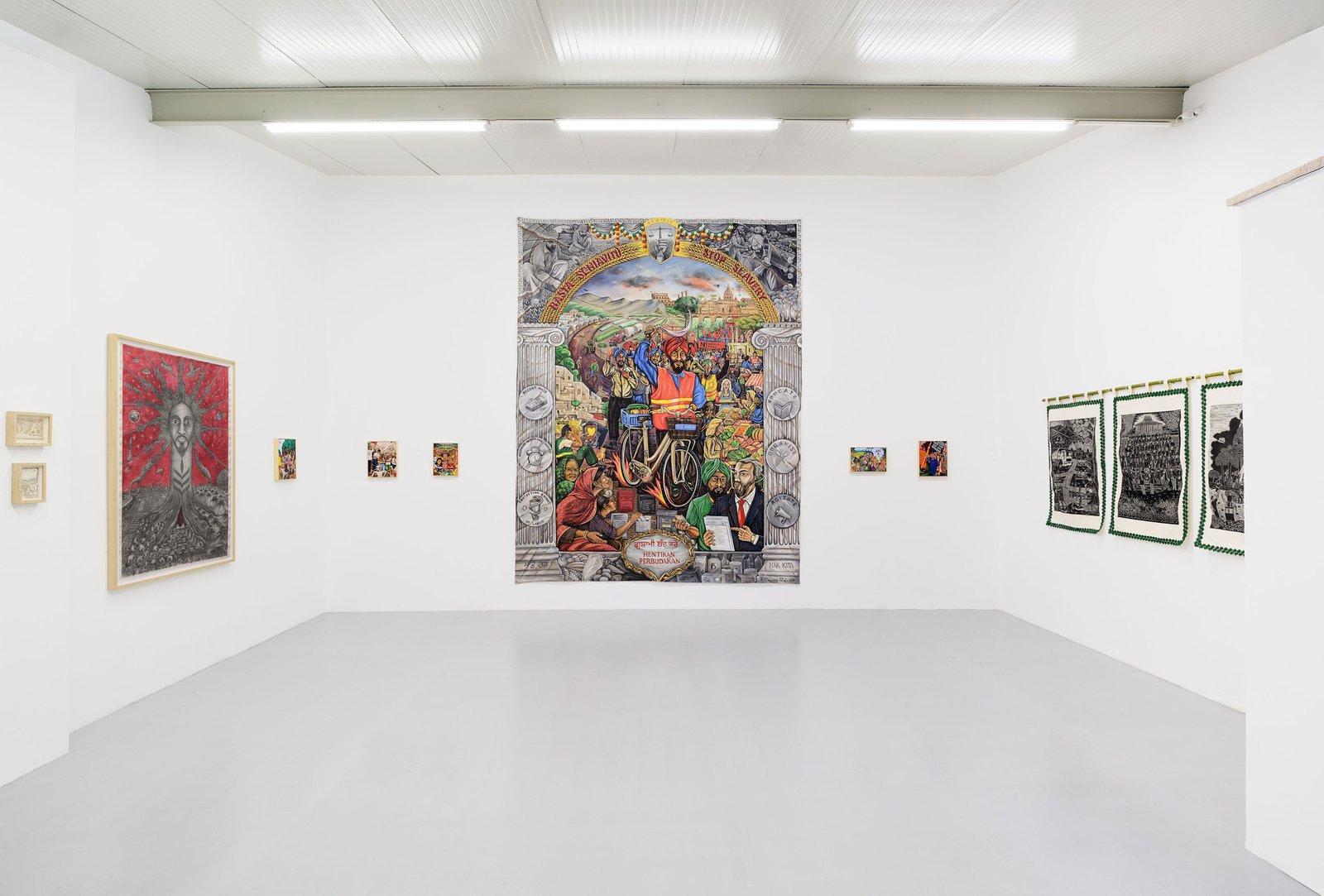
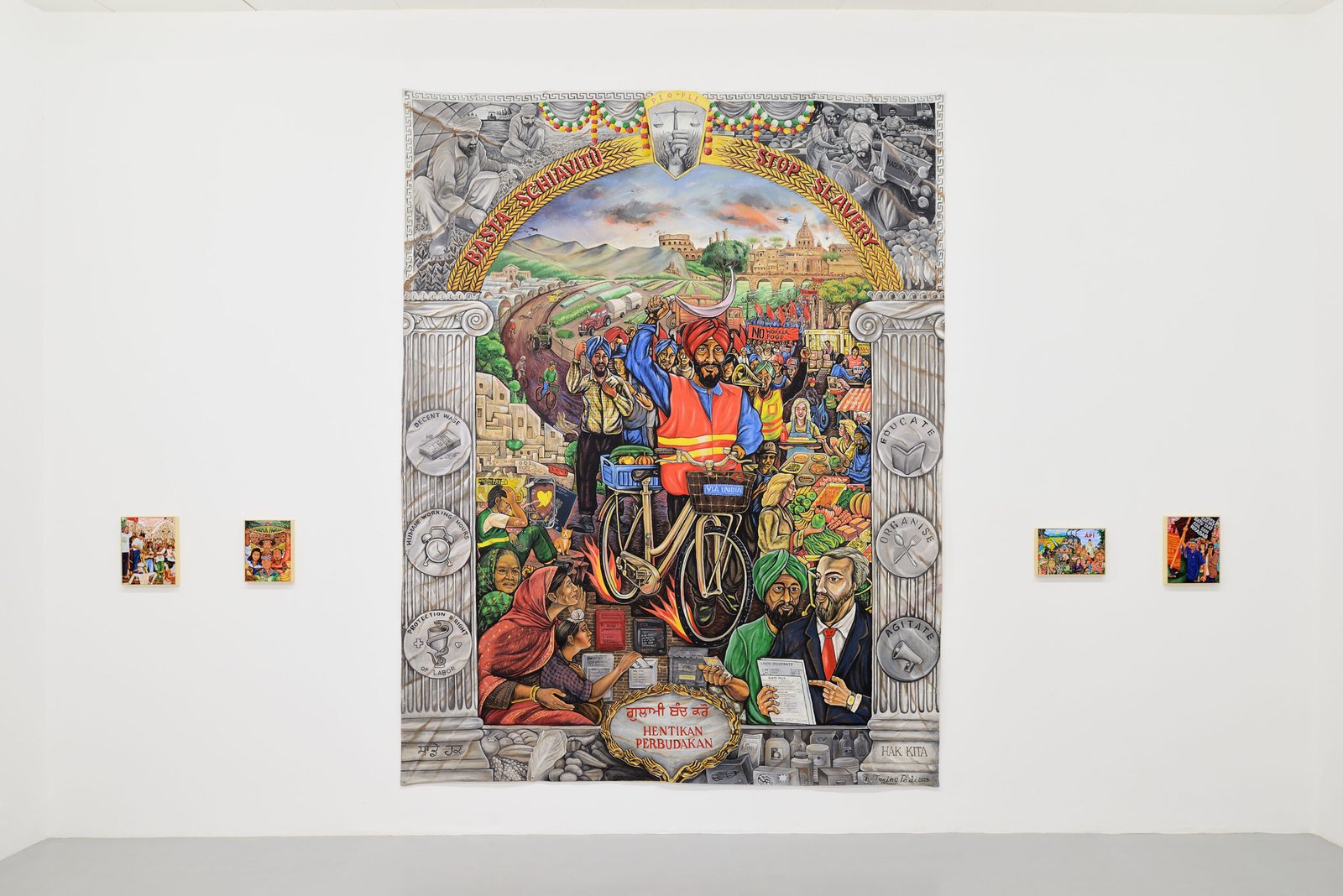
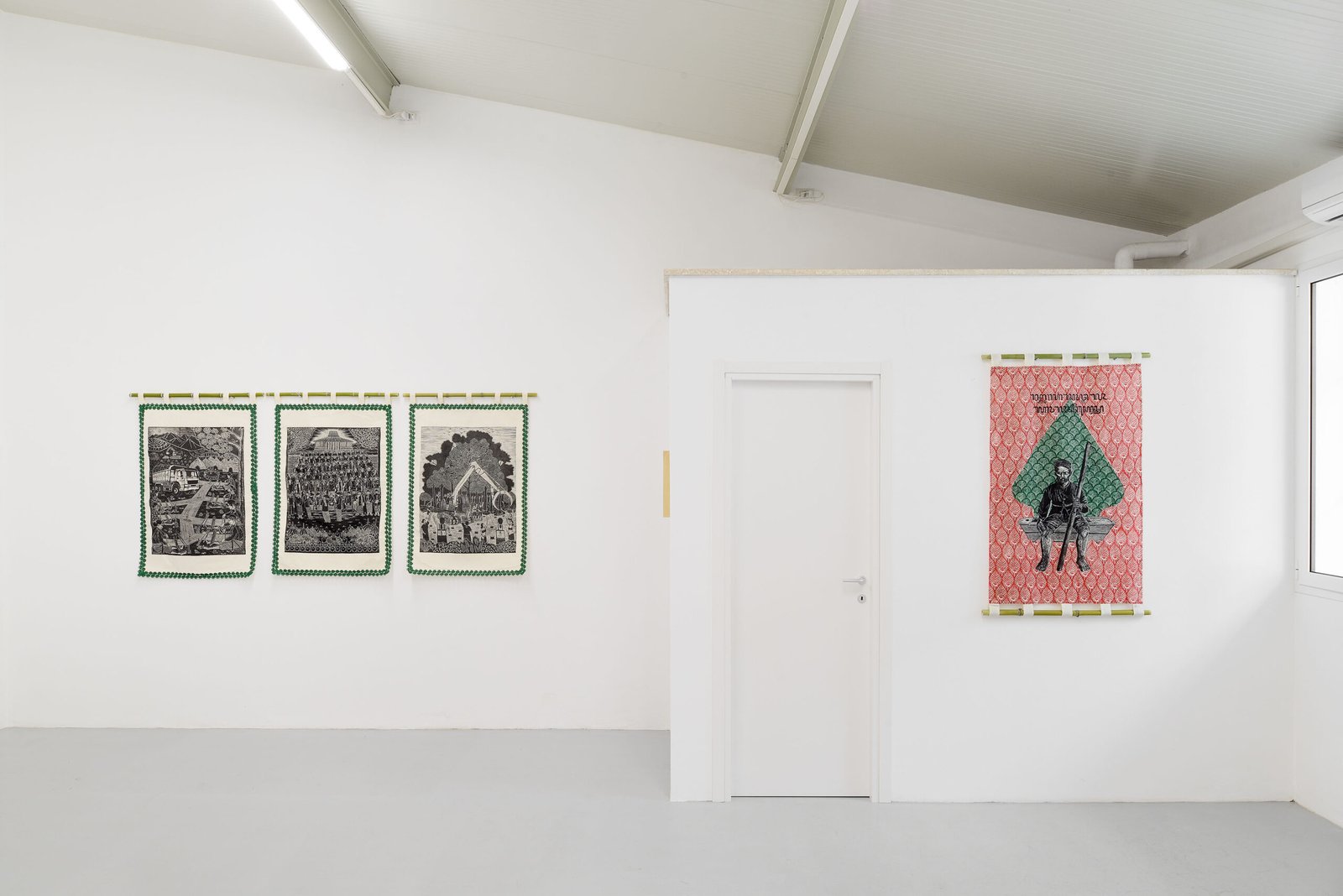
Freshly opened on 1 October, Cantadora Gallery begins its new adventure with an exhibition that embodies “the desire to become a place of cultural resistance and a storyteller of the urgencies of the present.”* The gallery’s name is itself a declaration of intent: it means storyteller in Castilian, while also evoking Candida Mara, the Sardinian cantadora who, in the 20th century, gave voice to the island’s collective memory, its spirit, and resilience. Organise, Educate and Agitate is the outcome of a one-month residency during which the Indonesian collective Taring Padi engaged with local communities—specifically Sikh men and women from Punjab, living and working in the agricultural areas surrounding Rome. The exhibition title clearly reflects the collective’s three founding principles, which were already highly visible in 2022, when the artists presented Bara Solidaritas / Flame of Solidarity at Documenta 15 in Kassel, alongside People’s Justice, the work that ignited extensive debate and was accused of antisemitism.
For the Roman exhibition, Taring Padi—comprising Fitriani Dwi Kurniasih, Dudi Irwandi, Mohamad Yusuf, Hestu Nugroho, Dhomas Yoedistiro Sugianto, and Sri Maryanto—focused on the harsh living conditions faced by Sikh agricultural workers, who are often exploited within the agromafia systems that dominate Italy’s coastal countryside. The six individual artistic practices, each represented by a selection of works, coexist and resonate within the collective experience. Their residency culminated in the creation of a large banner dedicated to, and symbolising, the Sikh community.
Fully aware of the inseparable bond between art and politics, Cantadora Gallery emphasises that behind every artistic intervention there are people with hopes, dreams, ideas, and visions: “Our work will be dedicated to making possible the existence of artworks that become stories—stories that, uncensored and unrestricted, act as tools of resistance.”*
*Excerpts from the press release published on The Italian Art Guide (link: https://theitalianartguide.com/organise-educate-and-agitate)
8 erweiterte portraits
Kunstverein für Mecklenburg und Vorpommern
Schwerin, Germany — on view until January 11, 2026
“I photograph to preserve the memory of people and moments,” Nan Goldin once said in an interview. The act of photographing often has little to do with romanticized gazes or beautiful stories, and far more to do with a practical need: remembering the faces that inhabited our best and worst years.
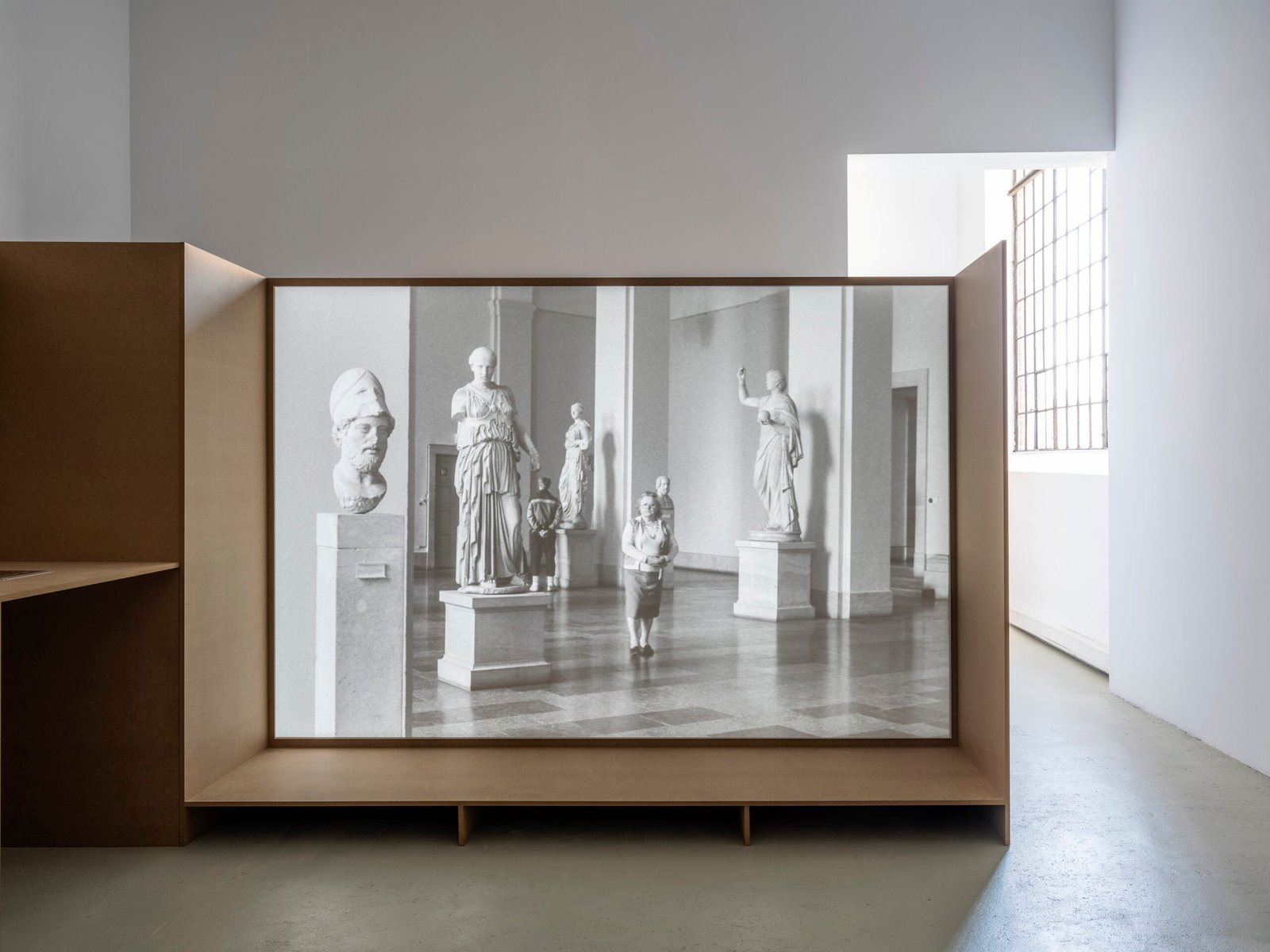
In 8 erweiterte Portraits (8 Extended Portraits), Seiichi Furuya and Cora Pongracz enter into a dialogue that confronts the fragile, fleeting nature of relationships, family histories, and memories—those that pass through us like a gust of wind.
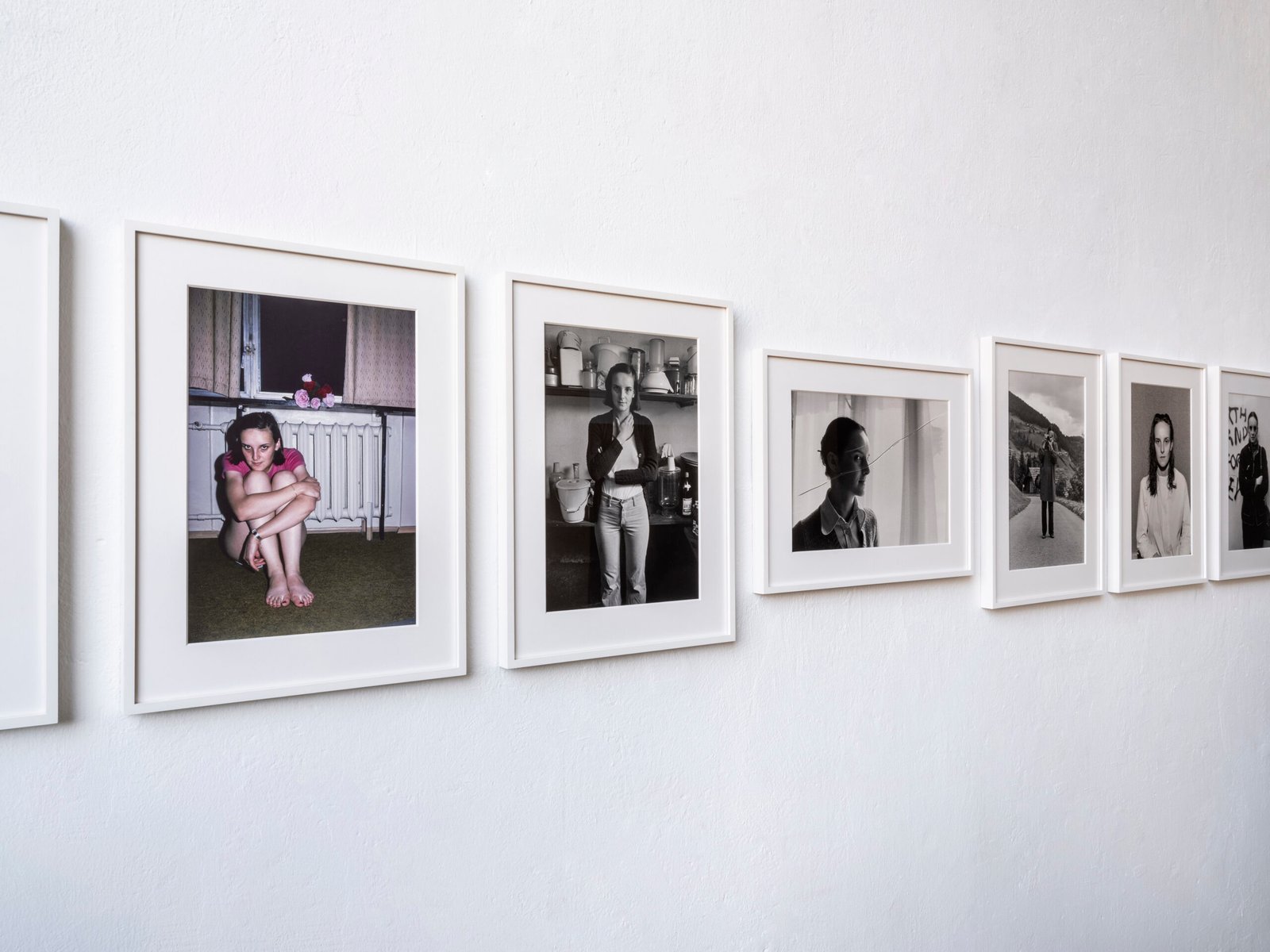
Starting from Pongracz’s series from 1974, Extended Portraits—in which she photographed eight women from her circle of friends, asking each to name additional motifs as “extensions” of their identity—Furuya deepens the narrative with two personal series that retrace his own life, like a finger holding a place in a book as the story unfolds.
The series Portraits documents the seven years he spent photographing his wife, Christine Furuya-Gössler, her face increasingly marked by the bitterness and fragility brought on by the schizophrenia diagnosed in the 1980s. Photographed lovingly by her husband from 1978 onward, she brutally ended the series herself by taking her life in 1985. Their love survives in these framed portraits: in the attempt to make her features endure, to resist the voracity of time.
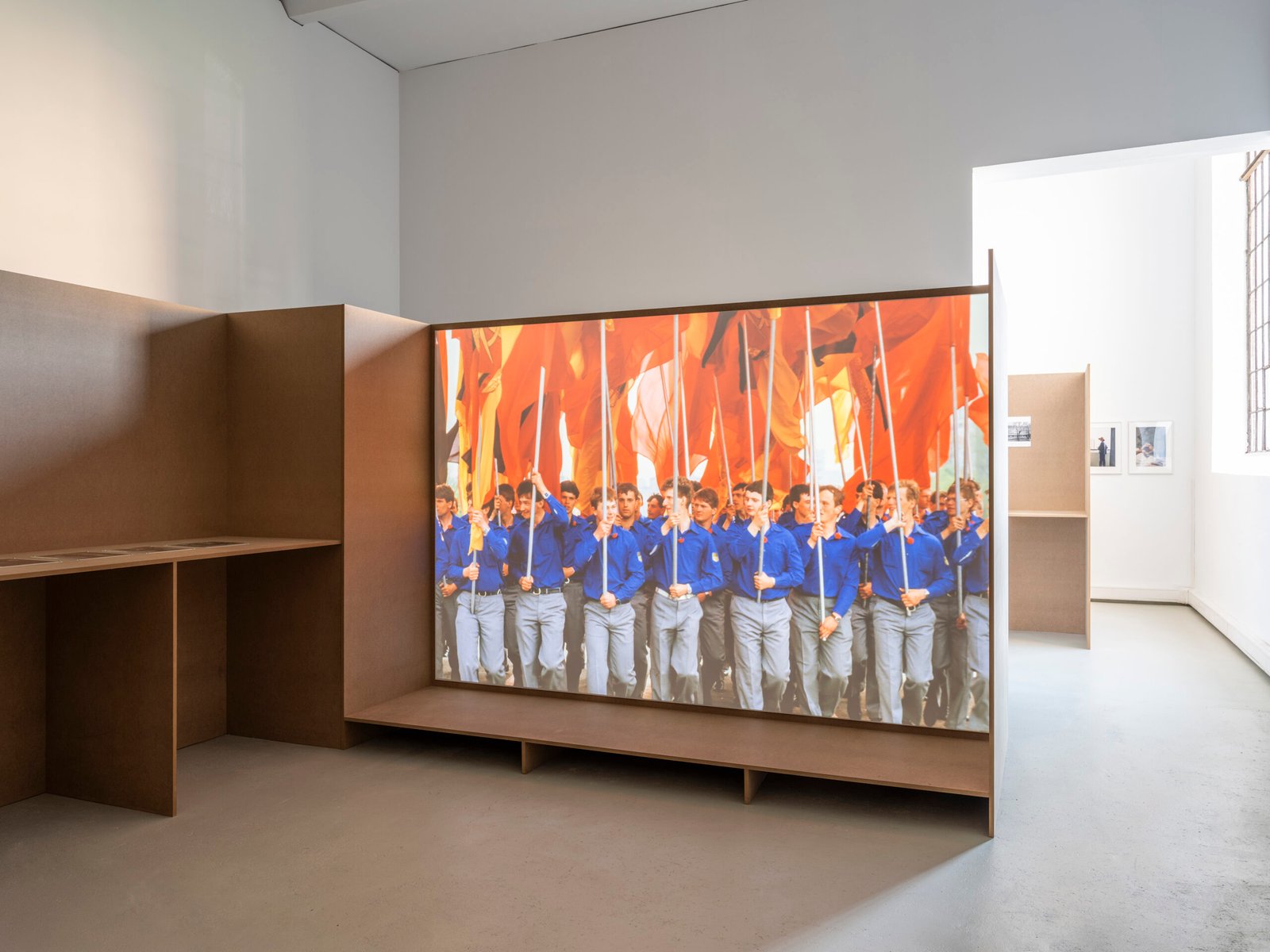
As a Japanese man who moved first to Dresden and then to East Berlin, Furuya’s series Berlin-Ost / West-Berlin 1985–87 bears witness to a life lived in a space initially cold and hostile, and to the struggle of trying to belong. Architecture plays a central role, with industrialized apartment blocks, monumental socialist structures, and emblematic buildings such as the Palace of the Republic, the Volksbühne theatre, Kino International, and, of course, the Berlin Wall.
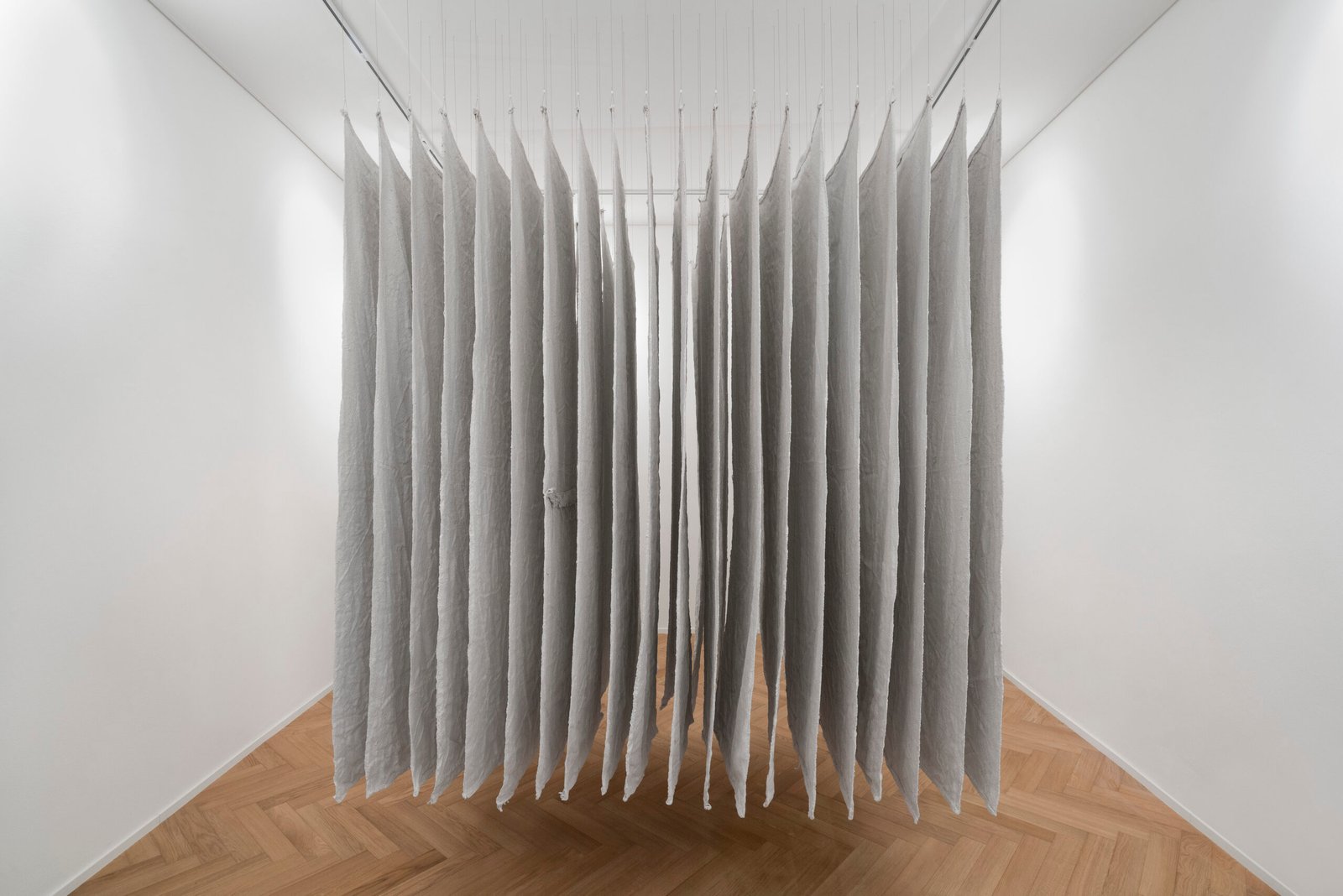
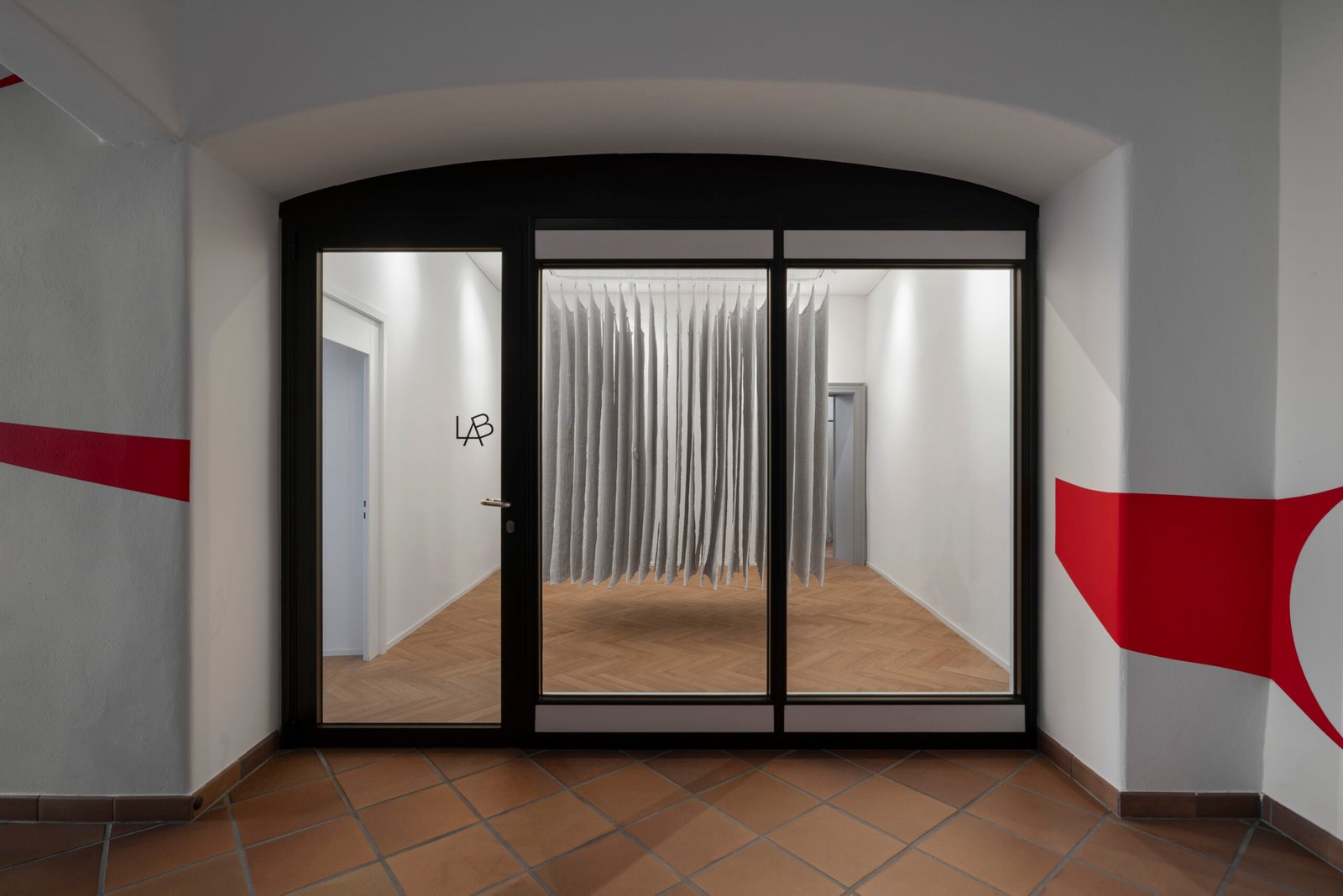
Quaranta sacchi di juta bianchi in due file da venti
LAB-il labirinto
Locarno, Switzerland — on view until January 16, 2026
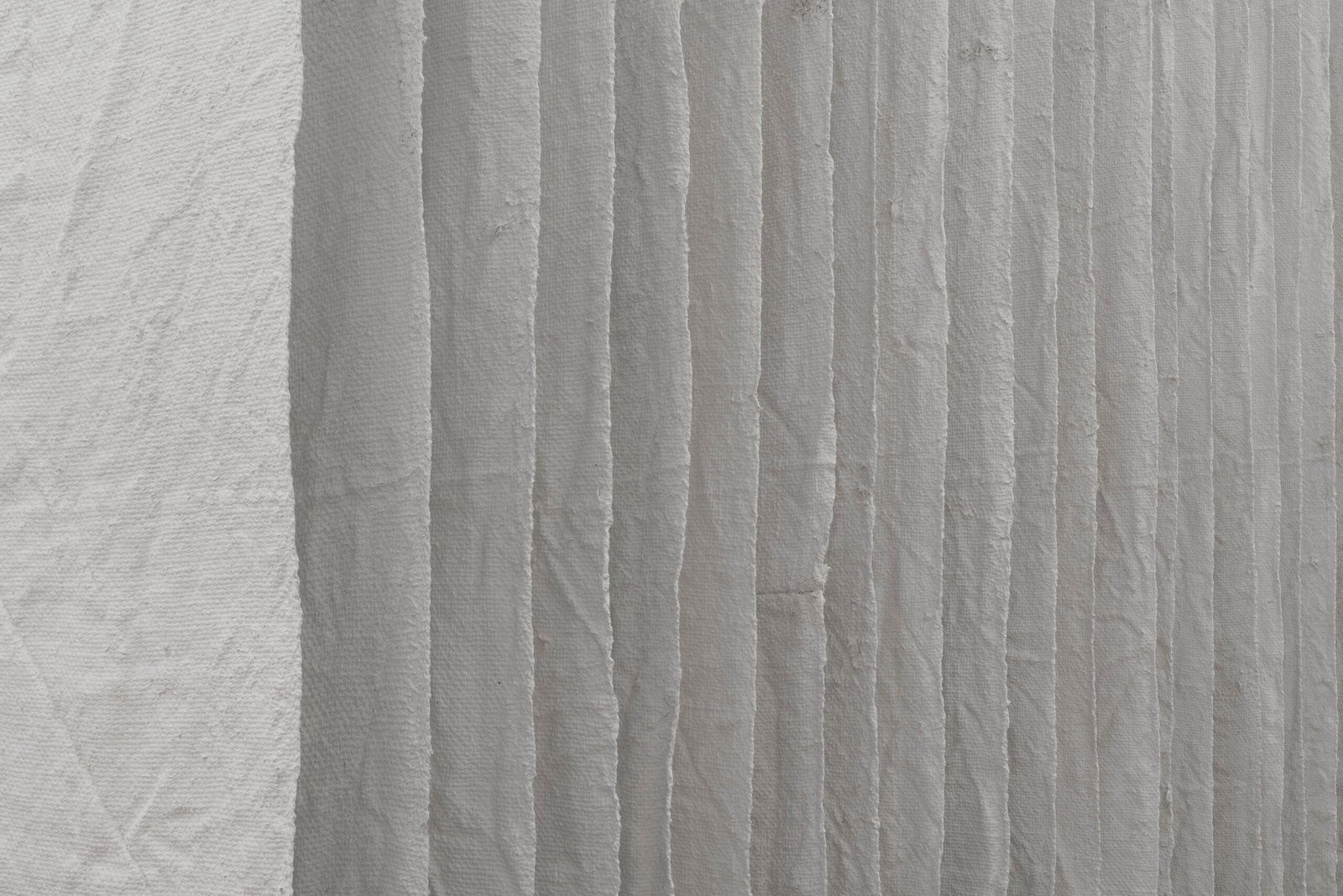
Forty white jute bags arranged in two neat rows of twenty. What is your first thought when confronted with such an abyssal white? Shrouds? Sheets? Fresh laundry?
Elia Varini’s installation raises many questions while seemingly offering none. It occupies the gallery space wholly, asking for hospitality even as it asserts its own presence. It echoes the room’s structure—its verticality, its stark, almost funereal whiteness.
It integrates seamlessly, even inscribing its own composition into its title: two of twenty.
You can approach these hanging layers as if they were carcasses prepared for slaughter; you can study their coarse stitching, sense the roughness of their surfaces without ever touching them, and notice the faint movement stirred by your passing. It is a body, much like yours.
Compact and regular in form, it nonetheless reveals its own fragmented nature—its fragile essence, its reminder of impermanence. This is the core of Elia Varini’s research, which began with pictorial language—especially graffiti—and has increasingly turned toward the exploration of space and its intersections with form and color.
Born in 1995, his first personal exhibition was held in 2024 at Galleria Arte Sia! in Muralto, after a one-year residency in 2023 at Casa Azul in Gordola, where he created his personal atelier.
Copyrights: the author, offseen and partnering platforms;