



5 offseen Exhibitions You Need to Visit in January
by Marianna Reggiani
In a system that feels elitist and closed, rarely welcoming and warm, what remains difficult is finding a sense of belonging: making people feel part of one big ecosystem, made of professionals and creatives that seek connection rather than competition.
Exhibitions are countless; the world, however, is one.
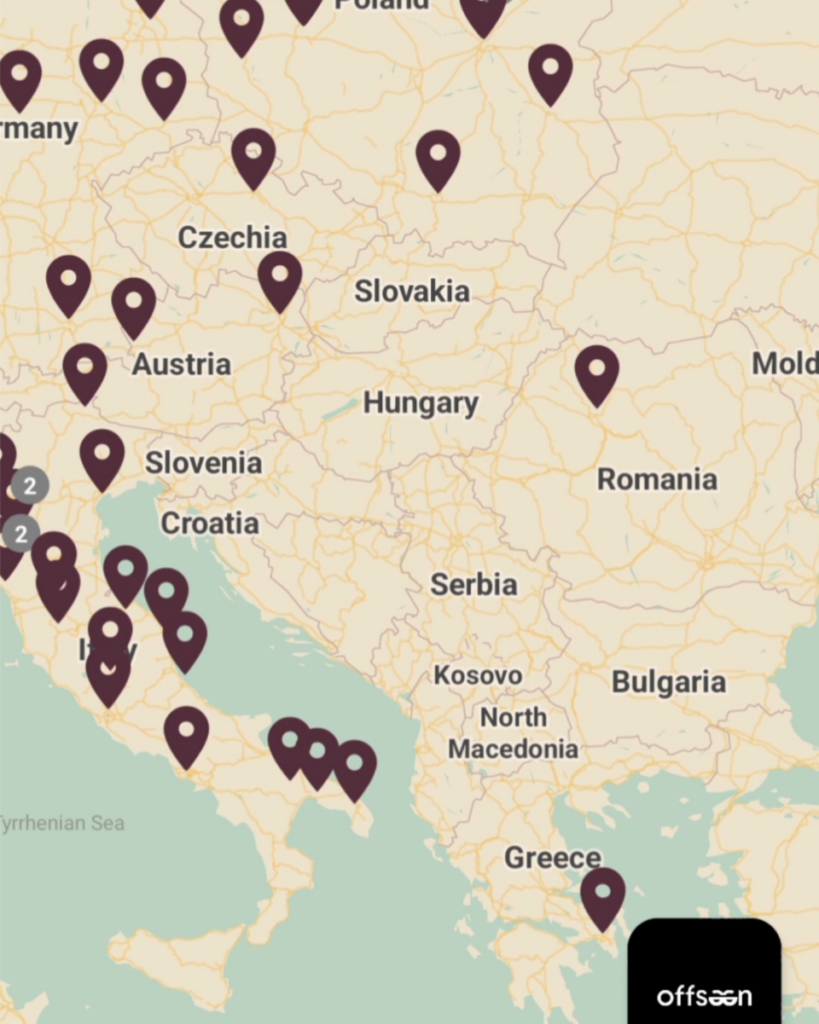
66P Subjective Institution of Culture
Wroclaw, Poland–on view until February 21, 2026
Bertolt Brecht wrote this in an essay published in 1935 under the title “Writing the Truth: Five Difficulties” (the first edition was in German, Dichter sollen die Wahrheit schreiben—“Poets must write the truth”, translated by this article’s author).
Anghel’s works speak about violence in the public sphere and about the complicity of “moral blindness”; they address the exposure of women who occupy public roles; they speak about a sick form of love that conceals control, territoriality, and a sense of ownership.
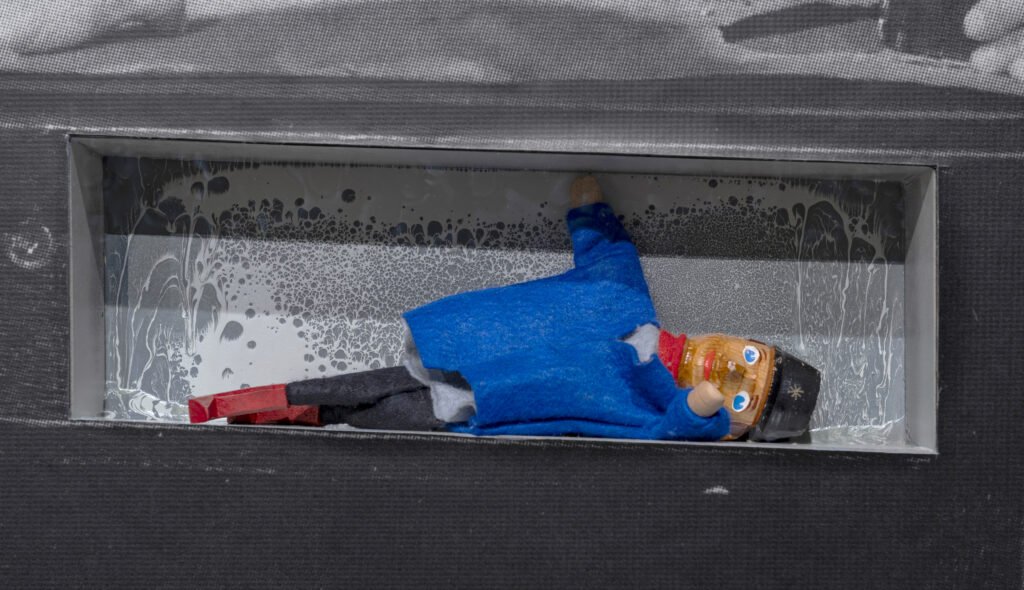
“The Blind Man” exhibition views, ph Małgorzata Kujda, Andreea Anghel, courtesy the artist and the gallery;
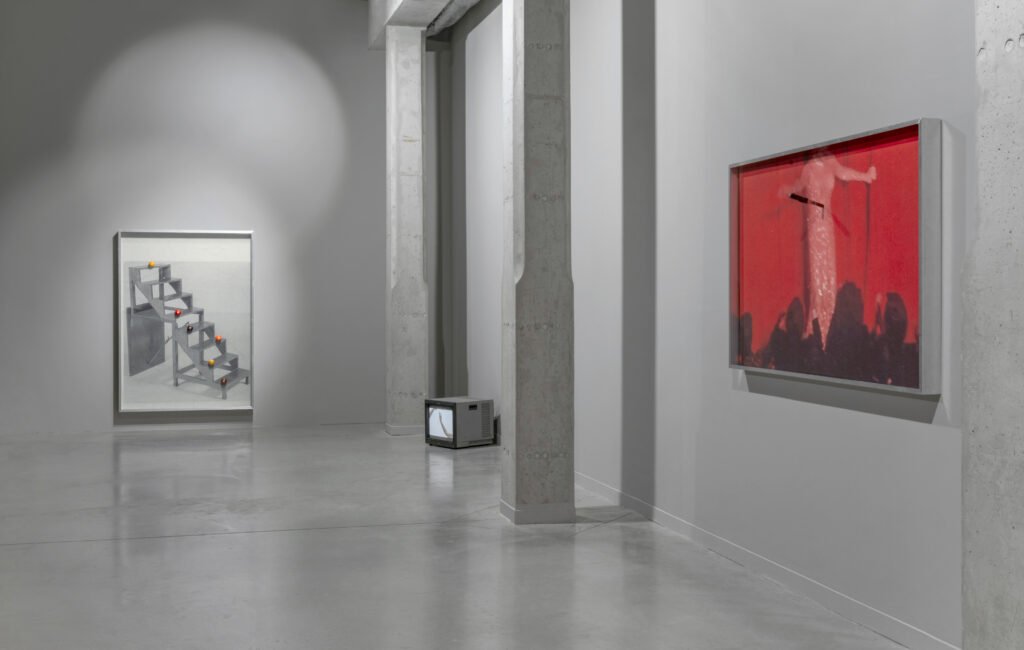
“The Blind Man” exhibition views, ph Małgorzata Kujda, Andreea Anghel, courtesy the artist and the gallery;
Tempesta Gallery
Milan, Italy – on view until February 6, 2026
As we enter a new year in the 21st century, where toxic forms of love are romanticised and mistaken for passionate, we should all be aware that “pleasure” is anything but universal. On the contrary, it is inextricably linked to ambiguity.
In fact, pleasure exists only because pain does, because suffering and absence are part of this world. And sometimes, they coincide with pleasure itself.
The exhibition curated by Domenico de Chirico lingers in the zone where this ambiguity generates the most powerful contrasts, investigating how love cannot be freed from pain and how pleasure cannot be freed from an existential paradox: “a vital force that carries within it the shadow of death.”
It is tension, a twisting and convulsing body, an energetic shock, a search for breath. The strong corporeal dimension of the works on display speaks of the horrendous and wonderful show our bodies perform when we deal with pleasure: how everything is exciting and then immediately falls apart in the span of a few moments. Pleasure alters the sense of time and space: a simple touch, and you are somewhere else, dispersed in the universe.
It can happen that we think living in pain is not so bad after all, because suffering and feeling pleasure have one thing in common: they make us feel alive.
Resistance can be found in feeling emotions, a resistance that manifests through a sensitivity we often fear.
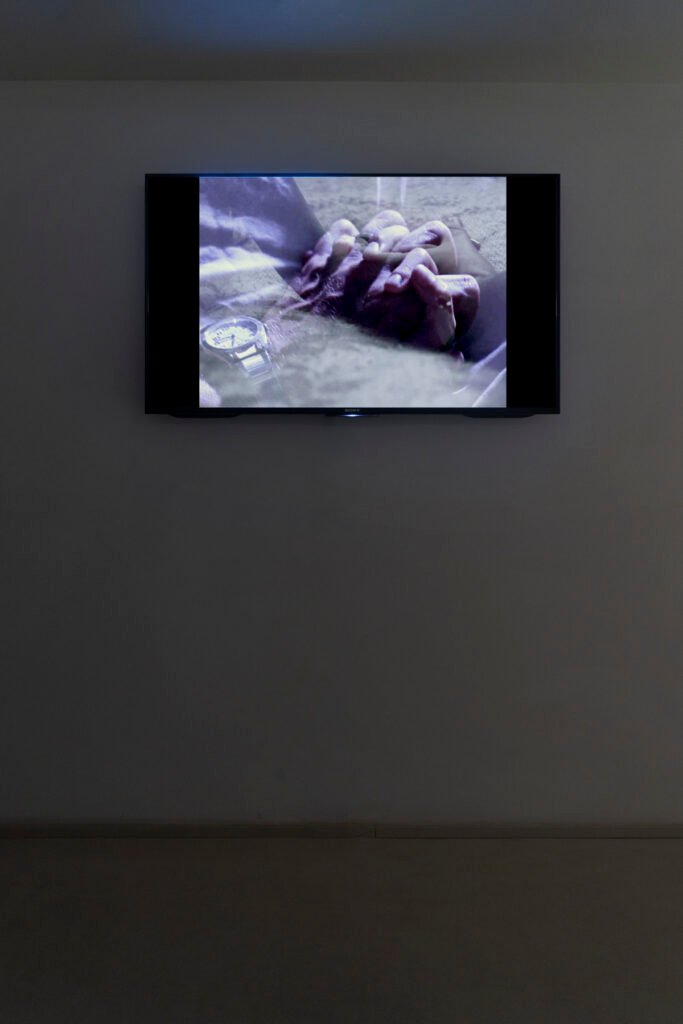
“Pain of Pleasure” exhibition views, ph Sarah Indriolo, courtesy the artist and the gallery;
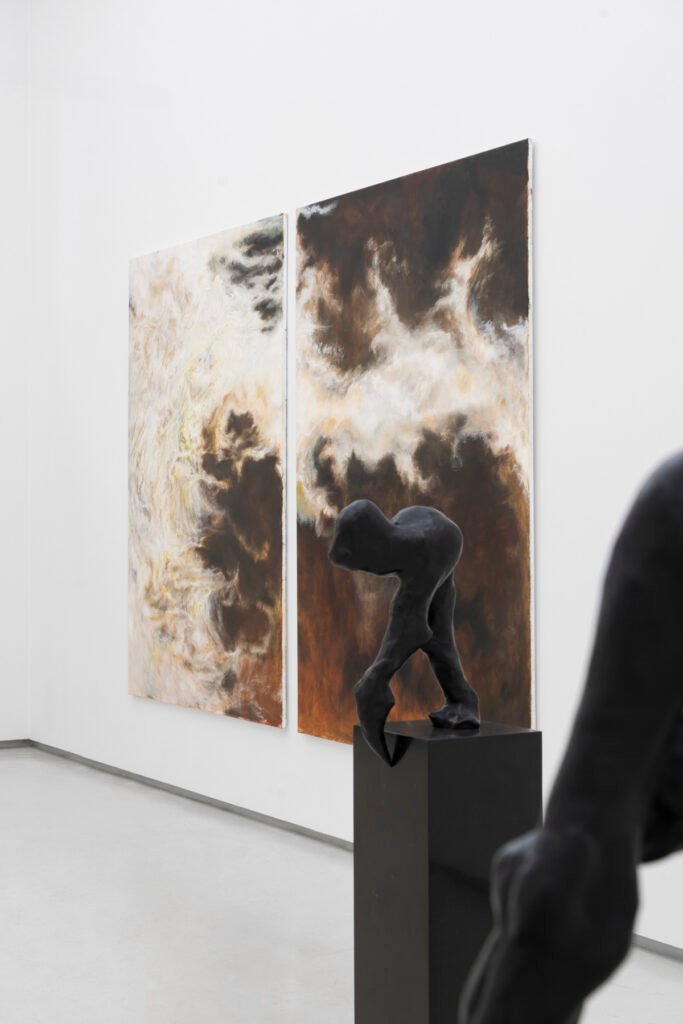
“Pain of Pleasure” exhibition views, ph Sarah Indriolo, courtesy the artist and the gallery;
10 documents
Rome, Italy – on view until January 30, 2026
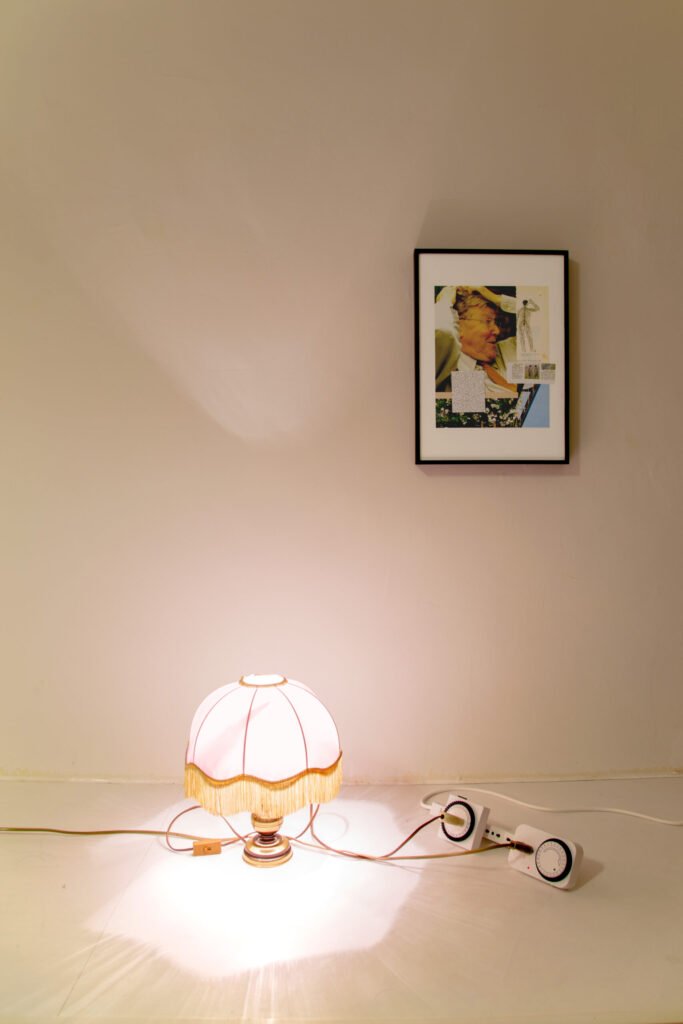
“I’m Half Sick of Shadows” exhibition views, ph Jacopo Rinaldi, courtesy the artist and the gallery;
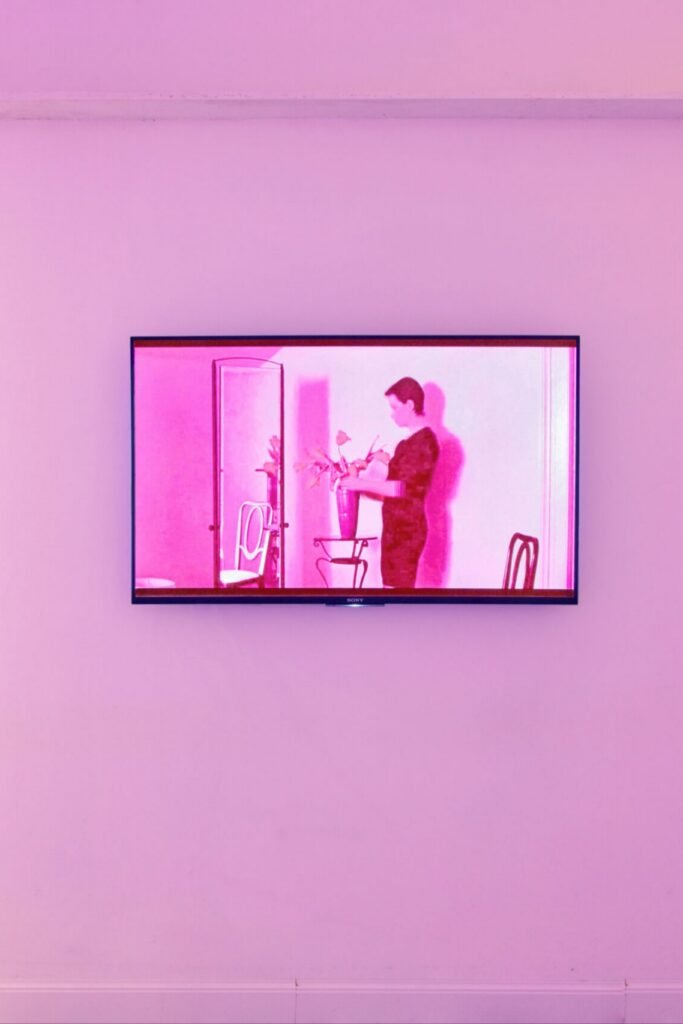
“I’m Half Sick of Shadows” exhibition views, ph Jacopo Rinaldi, courtesy the artist and the gallery;
COMPANION
SIC
Helsinki, Finland – on view until January 25, 2026
Hands, flowers, green vegetables, a frog, the moon, a funny face; Bogna Luiza Wisniewska’s universe starts from the garden: a place where life grows every day without making a sound, where small ecosystems coexist in peace and respect.
A place of creation and resistance, the garden also hides truths and opens to those who can observe with careful, sensitive eyes.
Calling herself “a soft-hearted person,” the Helsinki-based artist speaks different languages—from painting and ceramics to textiles and installation, and even gardening itself. Her alphabet speaks of care, fragility, and queerness, forming a visual text that unfolds as you enter it gently and silently, eager to learn rather than to take.
“I want to be as good a companion as marigolds are…” the artist says. An intention as pure as a child’s cry, deep and profound like a poet’s last words. Marigolds are resistant and adaptable, with orange flowers and green stalks. They can withstand heat and cold, and they don’t require constant care. They brighten up a space without asking anything in return.
With clear and simple intentions, the artist creates a universe of honesty, kindness, and acceptance—all qualities so rare that they can sometimes be frightening.
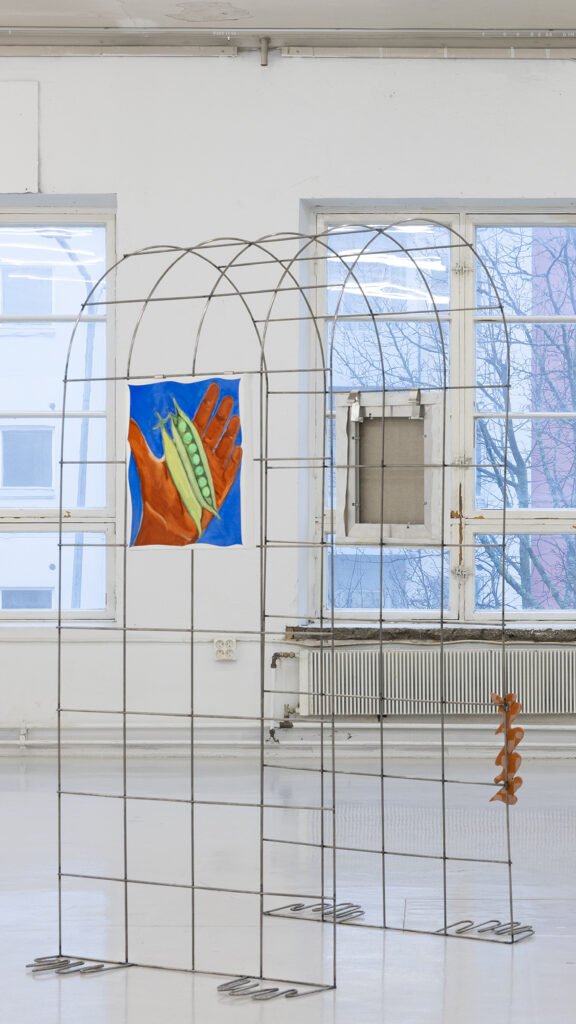
“COMPANION” exhibition views, ph SIC, courtesy the artist and the gallery;
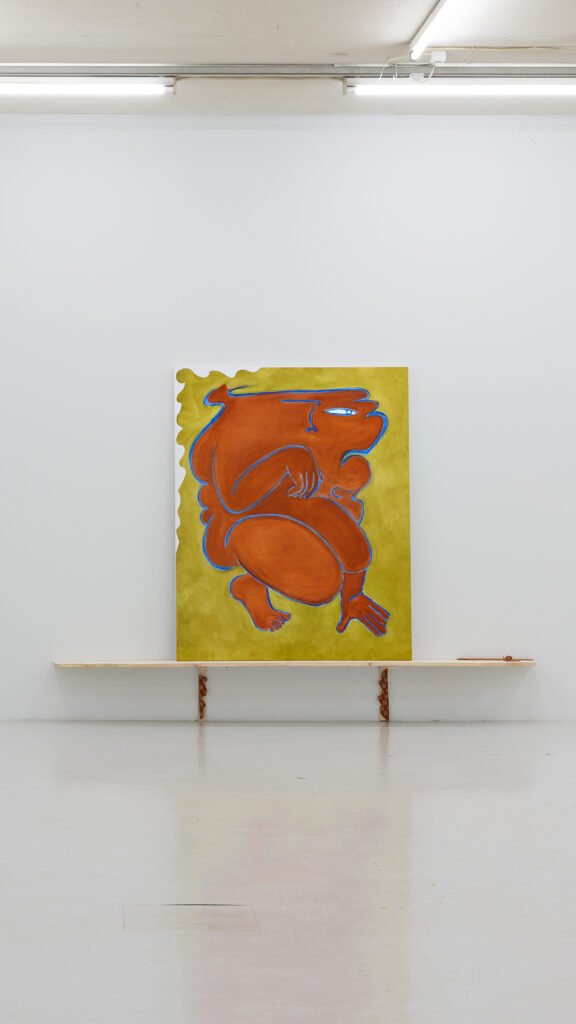
“COMPANION” exhibition views, ph SIC, courtesy the artist and the gallery;
Mas existe lo que no aparece (What Exists More Is What Does Not Appear)
Satélite
Cordoba, Argentina – on view until March 14, 2026
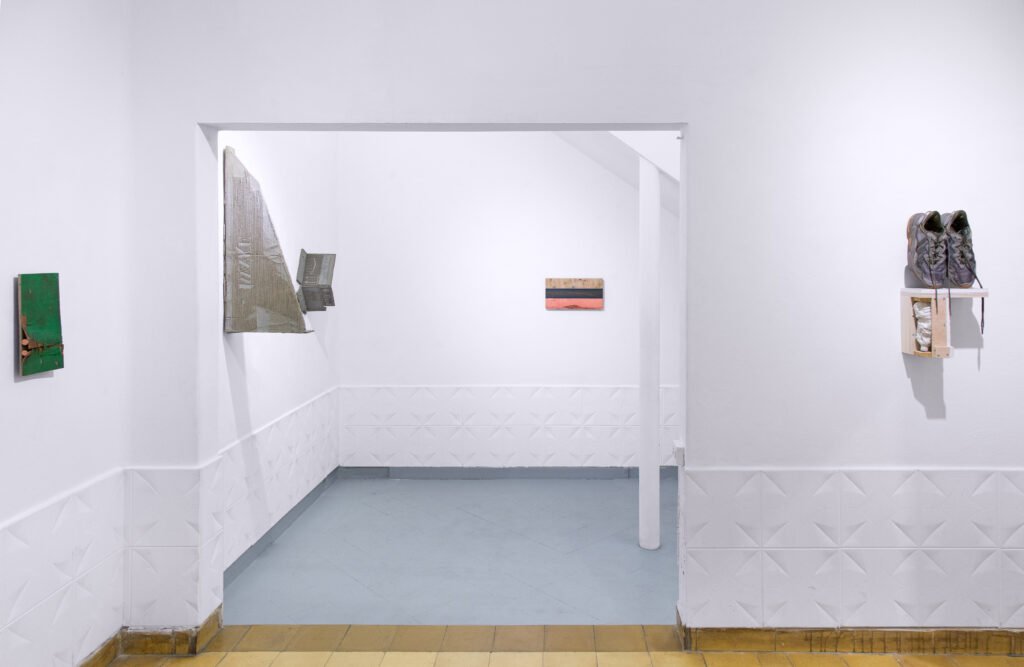
“Más existe lo que no aparece (What Exists More Is What Does Not Appear)” exhibition views, ph Pablo Javier Martinez, courtesy the artist and the gallery;
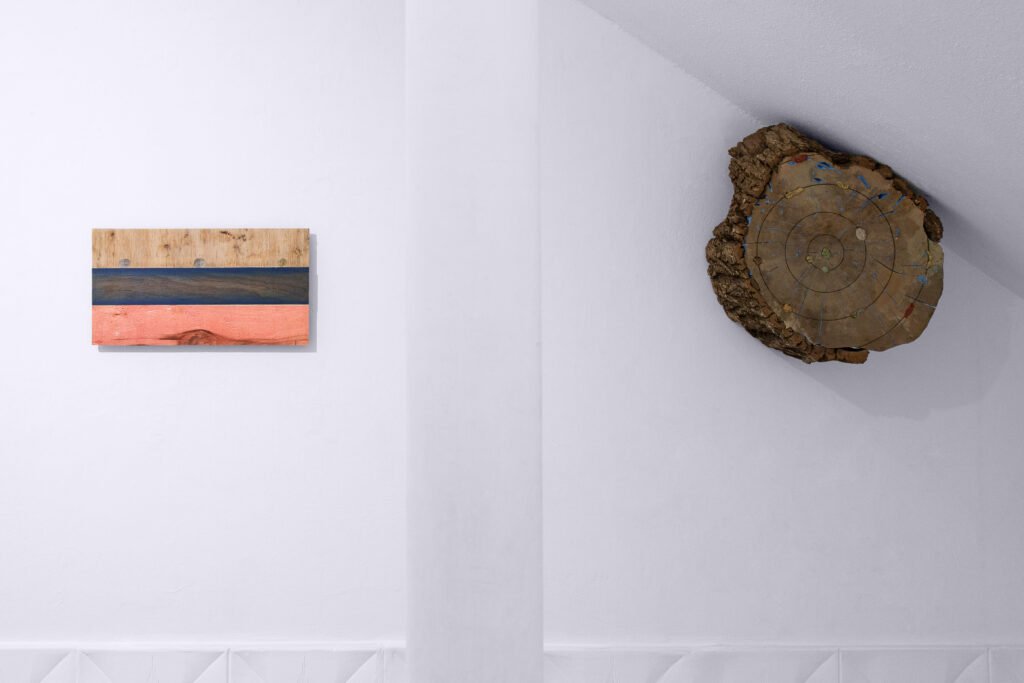
“Más existe lo que no aparece (What Exists More Is What Does Not Appear)” exhibition views, ph Pablo Javier Martinez, courtesy the artist and the gallery;
Copyrights: the authors, offseen and partnering platforms;